Selecting the Best Custom Home Builder: Essential Factors to Evaluate
Selecting the right custom residential builder is a significant determination that can substantially impact the success of a home project. Various factors, such as the contractor's experience, professional standing, and manner of communication, are critically important. Knowing your own objectives and expectations is equally important. As aspiring homeowners consider these aspects, they must also evaluate design flexibility and pricing transparency. All aspects merit detailed assessment, necessitating an examination of what genuinely defines a builder the perfect selection.
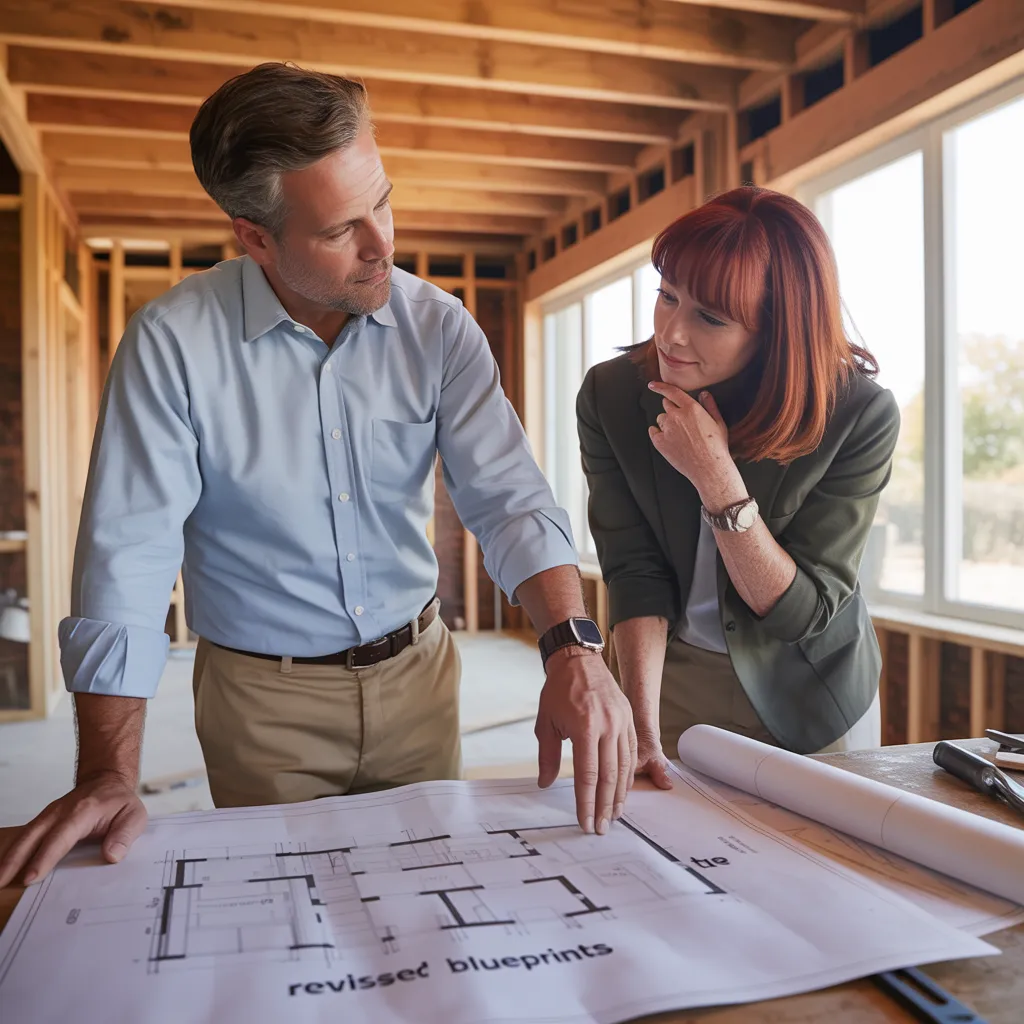
Exploring Builder Experience and Reputation
When choosing a custom home builder, investigating their experience and reputation is crucial. A builder's portfolio of completed projects can reveal key details regarding their reliability and craftsmanship. Potential homeowners should look for builders with a history of successful projects that match their desired style and quality. Reviewing online feedback and testimonials can reveal the experiences of previous clients, highlighting strengths and weaknesses.
Additionally, it is worthwhile to validate any industry certifications or affiliations, as these typically reflect a devotion to quality benchmarks. Speaking with area real estate agents or inspecting completed projects can also offer perspectives on a builder's track record. Researching details about how long a contractor has operated can further inform the decision, as years in business frequently reflect reliability and expertise. As a whole, thorough research into a builder's experience and reputation builds a dependable groundwork for a fulfilling home construction process.
Recognizing Your Vision and Objectives
How can homeowners effectively articulate their vision and needs when starting on a custom home project? Being precise and clear is vital. Homeowners ought to start by outlining their lifestyle needs, such as family size, daily routines, and future plans. This core understanding plays a significant role in determining the layout and functionality of the home. Tools such as inspiration boards or sketches can further help in communicating particular design preferences, spanning architectural designs to color selections.
Furthermore, establishing spending parameters empowers building experts to provide practical alternatives without jeopardizing the homeowner's aspirations. Periodic reassessment on core goals guarantees that the project stays consistent with evolving needs. Participating in honest conversations with family members can more precisely define concepts, confirming all considerations are considered. In the end, a well-articulated vision functions as a directing structure, enabling building experts to shape initial concepts into tangible realities while fostering a joint working arrangement during the project lifecycle.
How to Gauge Builder Communication and Teamwork?
Strong communication and team dynamics are vital considerations when evaluating a custom home builder. Evaluating initial response times, analyzing communication styles, and observing team collaboration dynamics can provide valuable insights into a builder's operational effectiveness. By prioritizing these key elements, homeowners can more accurately assess whether a builder suits their specific project requirements.
First Response Time
Timely communication serves as a pivotal indicator of a builder's expertise and collaborative approach. When evaluating custom home builders, prospective clients should pay close attention to initial response times. A builder who swiftly addresses client inquiries reflects appreciation for the client's time and an eagerness to move forward. Quick responses are often reflective of a well-organized team that prioritizes customer service. However, communication delays can suggest possible concerns within the contractor's business practices, including insufficient personnel or ineffective organizational strategies. Prospective clients are encouraged to assess response times during initial interactions, because this delivers important information about the contractor's working style and consistency throughout the building experience.
Communication Style Assessment
What methods can clients use to assess a builder's communication style and teamwork? Potential homeowners may commence by examining first-time communications. Promptness in responses and clarity in information shared are critical indicators. Arranging an in-person meeting or telephone conversation can additionally uncover the builder's communication style. Noting how effectively the builder addresses client issues and explains remedies is crucial. Moreover, clients should question the builder regarding preferred communication platforms—including email, telephone, or face-to-face discussions—since these can impact overall project flow. Collecting feedback or opinions from past clients can additionally shed light on the builder's ability to sustain clear channels of communication. Ultimately, understanding these aspects helps guarantee a collaborative and transparent building process.
Team Collaboration Dynamics
Recognizing a builder's way of communicating sets the stage for evaluating the dynamics of team collaboration. Effective collaboration copyrights on open and steady communication between all involved parties, including suppliers, architects, and subcontractors. Future homeowners should assess how the builder encourages open discussion during team gatherings, ensuring all voices are heard. Observing the responsiveness of the builder to questions and concerns can reveal their investment in cooperative work. Moreover, reviewing past projects and client testimonials may provide insights into the builder's ability to foster a cohesive team environment. An environment of collaboration often leads to smoother project execution, limiting disruptions and confusion. In the end, a builder's approach to teamwork can greatly impact the general outcome of the custom home building experience.
Evaluating Design Flexibility and Customization Options
When choosing a custom home builder, evaluating design options and customization possibilities is crucial, as these aspects heavily affect the overall contentment with the end result. A builder's ability to adjust designs according to specific preferences can significantly improve the client's overall experience. Prospective clients should explore the range of design options available, including floor plans, materials, and finishes.
Moreover, it is vital to consider how the construction professional includes innovative elements and up-to-date technologies, which can elevate both performance and visual appeal. Homeowners should also consider the builder's previous projects, assessing how well they have carried out tailored requests in the past. Clear communication regarding architectural concepts and the capacity to alter plans during the development process can further reflect a builder's commitment to customization. At the end of the day, thorough evaluation of these factors ensures that the selected contractor corresponds to the property owner's goals and lifestyle preferences.
Checking Licenses and References
Alongside licenses requesting references from past clients is essential. Satisfied clients often provide insights into the builder's work ethic, quality of craftsmanship, and adherence to timelines. Homeowners should request a list of recent projects and reach out to these references for candid feedback. Online reviews and testimonials can supplement this information, offering a broader view of the builder's reputation. By thoroughly verifying licenses and references, homeowners can make informed decisions and guarantee a successful partnership in their custom home building journey.
How to Evaluate Pricing Among Custom Home Builders
When evaluating costs among custom home builders, it is crucial to familiarise yourself with the various pricing models they employ. Requesting detailed estimates helps potential clients to review a detailed cost breakdown, guaranteeing openness. Furthermore, comparing inclusions and exclusions can reveal significant differences in value among custom builders.
Explore Pricing Structures
How does one successfully manage the different pricing models presented by custom home builders? Comprehending these models is essential for conducting meaningful evaluations. Home builders generally structure pricing in various formats, such as fixed-price contracts, cost-plus agreements, or design-build agreements. A fixed-price contract provides a clear total upfront, minimizing surprises, while cost-plus contracts charge the actual costs plus a fee, possibly contributing to increased overall expenditures. Design-build arrangements consolidate the approach by integrating design and construction, but expenses can differ considerably according to the extent of work. It is essential to scrutinize what is covered within each pricing structure, such as provisions for materials and workforce costs. By thoroughly understanding these structures, potential homeowners can make more informed decisions pertaining to their personalized home construction project.
Get Detailed Estimates
Obtaining detailed bids from custom home construction companies is essential for informed price assessment. Such quotes should break down expenses related to materials, labor, permits, and any additional fees. By collecting a number of quotes, potential buyers can identify discrepancies in pricing and understand the extent of the services offered by each builder. It is essential to confirm that bids are derived from the same specifications to support an precise comparison. Contractors might provide a range of alternatives, from budget to premium materials, affecting the final price. Homeowners should also inquire about billing timelines and any potential additional costs that may occur during construction. A thorough analysis of such quotes can highlight not only cost expectations but also the degree of openness and expertise of every contractor.
Examine Inclusions and Exclusions
What factors should homeowners consider when reviewing what custom home builders include and exclude? First, it is essential to identify what exact features are part of the base price, such as fixtures, flooring, and cabinetry. Homeowners should scrutinize the quality and brands of these inclusions, as they can substantially affect overall satisfaction and long-term value. Additionally, understanding exclusions is crucial; these are expenses that could emerge down the line, such as site improvements or upgrades. It is recommended that homeowners obtain detailed lists from several builders to enable a thorough comparison. Additionally, reviewing the customization possibilities offered within each expert guide builder's package can highlight potential hidden costs or savings. In the end, a comprehensive comparison can help homeowners arrive at a well-informed decision that matches their financial plan and expectations.
What You Can Expect From Warranties and Post-Construction Support
A feeling of assurance frequently comes with the decision to invest in a custom home, particularly when considering warranties and post-construction support. New homeowners should look for thorough warranties that cover structural integrity, major systems, and materials used in construction. Generally, such warranties last for a specific period, ranging from one to ten years, guaranteeing protection against faults and concerns that might emerge.
Post-construction assistance is just as crucial, as it provides homeowners with assistance after the project is completed. Contractors should provide a transparent approach for addressing concerns, performing routine maintenance inspections, and facilitating repairs. Effective communication is vital during this phase, as it builds a foundation of trust and ensures that homeowners feel valued and cared for.
In the end, knowing the nuances of warranty coverage and after-build assistance can significantly impact a homeowner's satisfaction and peace of mind, making it an essential consideration when selecting a custom home builder.
Frequently Asked Questions
How Long Does the Custom Home Building Process Typically Take?
The process of building a custom home generally requires anywhere from six months to more than a year, depending on factors like design complexity, permitting, weather conditions, and the builder's experience, all of which play a considerable role in determining the final timeline.
What Are Typical Pitfalls to Watch Out for When Picking a Builder?
Frequent mistakes to steer clear of when choosing a builder include neglecting to check references, overlooking contract details, not clearly expressing your expectations, disregarding the quality of previous projects, and not evaluating the builder's experience with specific design styles or materials.
Can My Design Be Changed During the Construction Process?
Yes, design changes can be made during construction, but these modifications might cause setbacks and increased costs. It's important to have open and direct communication with the contractor to gain a clear understanding of how any changes may affect the project schedule and budget.
What Financing Options Are Available for Custom Home Builds?
A variety of financing options are offered for custom home builds, including construction loans, conventional mortgages, and FHA loans. Future homeowners are encouraged to investigate these options, carefully weighing interest rates, terms, and eligibility factors before arriving at a final decision.
How Do Builders Handle Unexpected Issues During Construction
Builders typically address unexpected issues in the course of construction by evaluating the problem, communicating with the homeowner, and executing appropriate fixes. These professionals frequently modify timelines and budgets in response, ensuring transparency and maintaining project integrity from start to finish.
Comments on “Affordable Custom Home Builder for Energy-Efficient Designs”